
Nutrient Neutrality: What Developers, Landowners and Planning Professionals Need to Know
February 11, 2026
What is Nutrient Neutrality and Why Does It Matter?
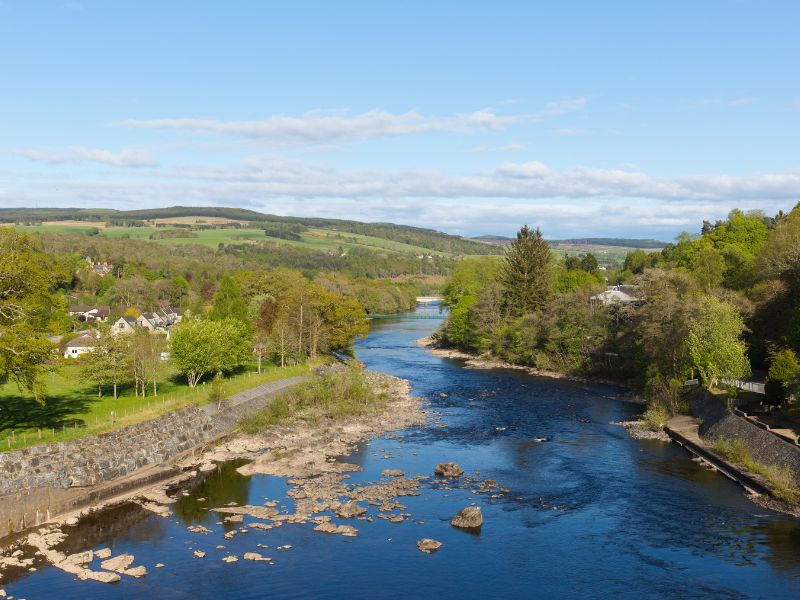
If you’ve been involved in planning, land or construction recently, you’ve likely heard the term nutrient neutrality more than ever before. But what is nutrient neutrality, and why has it become such an important consideration for projects across the UK?
Nutrient neutrality is an environmental requirement designed to ensure that new developments do not increase the levels of nutrients, mainly nitrogen and phosphorus, entering nearby watercourses. Excess nutrients can disrupt delicate ecosystems, leading to algal blooms, depleted oxygen levels and long-term biodiversity loss.
To tackle these issues, regulators now require certain projects to demonstrate that their impact on water quality remains neutral. In practical terms, this means balancing nutrient outputs through improved wastewater management, sustainable drainage or environmental offsetting measures.
Developers, landowners and planning professionals need to understand nutrient neutrality early in the planning process. Projects that fail to address these requirements may face delays, additional costs or even planning refusal.
Nutrient Neutrality Regulations: Why So Many Sites Are Affected
Across the country, planning authorities are tightening requirements around nutrient neutrality to protect sensitive rivers, estuaries and wetlands. Many sites are impacted simply because they are located within catchments where water quality is already under pressure.
At Willow Pumps, we’ve seen first-hand how widespread the impact has become. In 2025 alone, our team completed more than 200 surveys on previously ‘locked’ sites needing drainage upgrades to achieve nutrient neutrality compliance. Around 18% of those locations were found to be non-compliant, requiring enhanced wastewater solutions to meet modern standards.
The growing demand for compliant infrastructure has led to rapid innovation in drainage design, sewage treatment technology and sustainable water management practices. Those who adapt early are finding new opportunities to unlock stalled projects while contributing positively to environmental goals.
Using a Nutrient Neutrality Map to Understand Your Project Risk
One of the first steps any developer, landowner or consultant should take is reviewing a nutrient neutrality map to determine whether their site falls within an affected catchment. These maps identify areas where nutrient levels are already too high, meaning additional mitigation measures may be required before planning permission can be granted.
A nutrient neutrality map helps you:
- Understand whether your site sits within a sensitive river catchment
- Anticipate potential planning constraints early
- Plan drainage and wastewater upgrades before costly redesigns
However, mapping alone doesn’t provide the full picture. Each project requires a tailored assessment, as factors such as population density, drainage infrastructure and local environmental conditions can influence compliance requirements.
Working with specialists who understand both planning regulations and practical engineering solutions can make navigating nutrient neutrality far simpler.
Nutrient Neutrality Solutions: How Can You Achieve Compliance?
Achieving nutrient neutrality doesn’t always mean major redesigns. Often, a combination of engineering upgrades and environmental strategies can deliver effective results.
Here are three key approaches:
- On-Site Solutions for Nutrient Neutrality
Reducing nutrient discharge at the source is often the most direct route to compliance. This might involve improved wastewater treatment systems, sustainable drainage solutions, or nature-based features such as reed beds and landscaping that help filter nutrients naturally.
- Off-Site Offsetting to Support Nutrient Neutrality
Some projects choose to invest in environmental initiatives elsewhere, such as wetland restoration, tree planting or land-use changes that absorb excess nutrients. Offsetting schemes can help balance impacts when on-site solutions alone are not sufficient.
- Avoidance Strategies to Maintain Nutrient Neutrality
Design decisions can also reduce nutrient output. Incorporating green infrastructure, limiting impervious surfaces and planning efficient water management from the outset can significantly improve compliance outcomes.
Why Early Planning Around Nutrient Neutrality Is Essential
The biggest challenge many people face isn’t the regulations themselves. It’s discovering nutrient neutrality requirements too late in the process. Early engagement with drainage specialists and environmental advisors can prevent delays and keep projects moving smoothly.
At Willow Pumps, we closely monitor policy changes and provide practical guidance to help developers, landowners and planning professionals understand their options. Whether you’re reviewing a nutrient neutrality map, planning a new sewage treatment system or exploring sustainable drainage upgrades, the right support can turn a potential obstacle into a clear path forward.
Call us on 01634 201111 to find out more about how we can support.